 Ecology & Evolutionary Biology

Conservation Genomics.  Closely related species that readily hybridize are often the center of controversy over taxonomic status and priority for conservation management. Ancestry of potentially mixing populations is difficult to resolve when the parental species are closely related. Using a genome-wide approach across a geographic sampling of putatively admixed populations, resolving the ancestry assignment of genomic segments will assist in mapping out not only geographic hybrid zones but also estimate the timings of the initial admixture event. This has become a major focus in my research group.
Ecological Epigenomics. 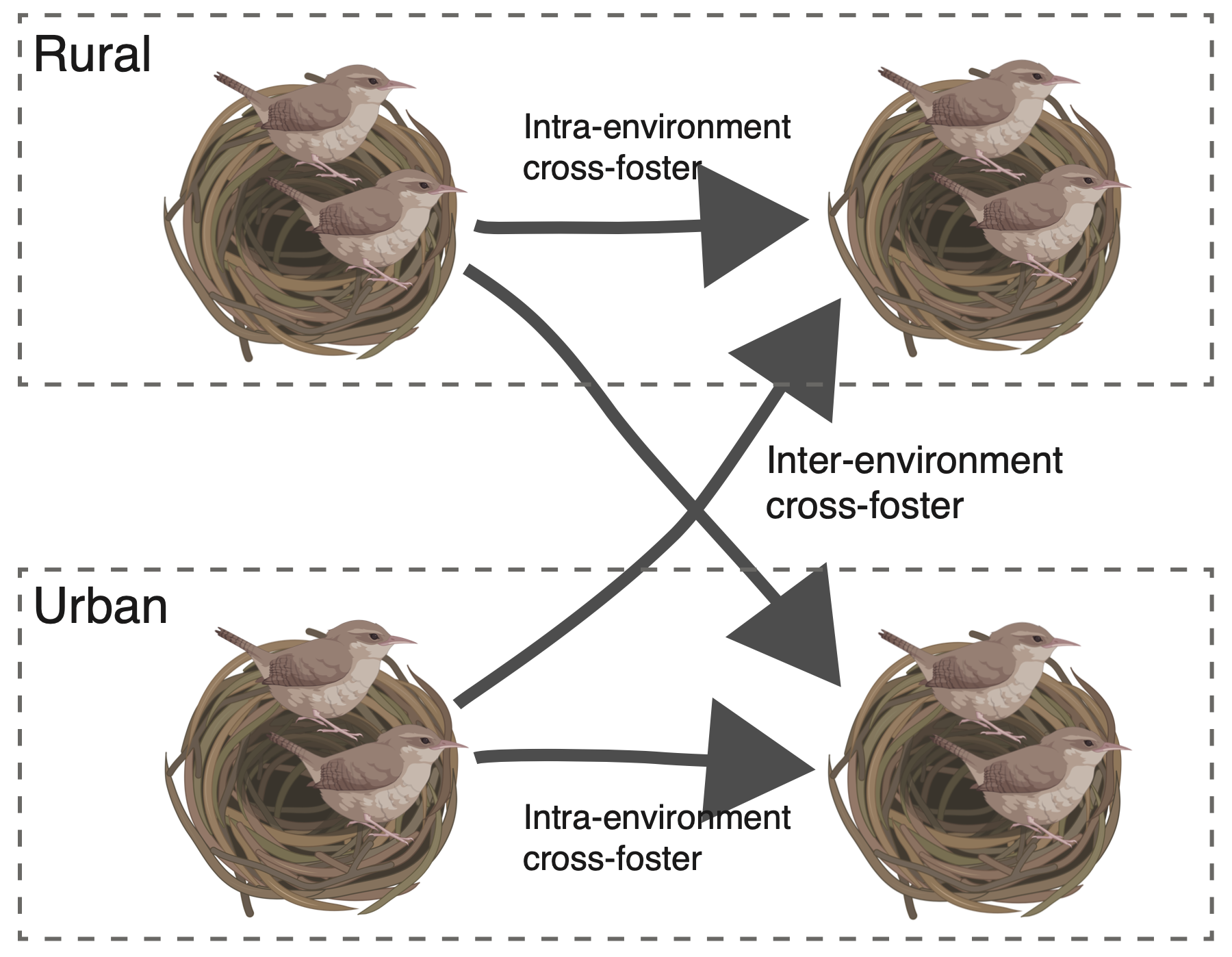 Wild species can exhibit numerous phenotypes, some of which have been locally adapted, often classified as ecotypes or perhaps subspecies supported by genetic evidence. Any species with a large geographic distribution, often spanning diverse landscapes (e.g. arid, boreal forest, urbanized) can be the focus of exploring how habitat gradients and genetics are correlated, often under the hypothesis focused on genes that are locally adapted. Across said gradients, populations can be highly differentiated with fine-scale genetic structuring and phenotype variation. Analysis of the regulatory marks and elements provide a unique opportunity to investigate adaptations and response to stressors.
Molecular foundation of complex traits. 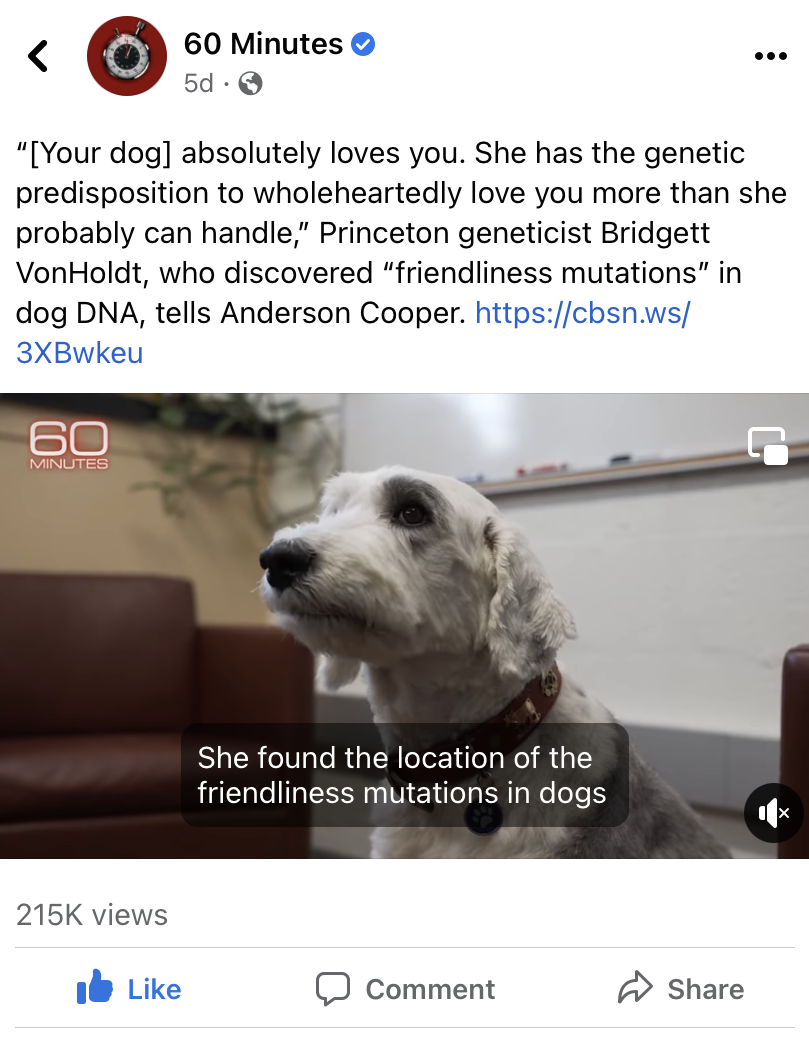 Locating the molecular foundation of behavior is a very challenging objective. Behaviors can potentially be influenced by genotype, epigenetics, or both. My research group is working towards examining the molecular variation linked to specific behaviors that are described by quantified traits. Primarily, we are focused on fitness-related traits and understanding how natural or artificial selection may shape their molecular architecture. We have made substantial progress on this research scope, with a recent focus on chromatin configuration and CaptureC to gather information on gene-gene interactions (both proximal and distal). Combined with targeted expression data, we are learning more about how transposons are shaping the social beahvior of dogs and gray wolves.
Transposon dynamics.  Retrotransposons are mobile DNA elements that can amplify independently of the host genome, with their insertion locations potentially influencing gene transcription. Most transposons are targeted for epigenetic silencing by the host defense system but some are likely to escape silencing. Insertions into regulatory regions or transposons that capture/duplicate functionally important coding regions are expected to rapidly impact phenotypic diversity. These, among other genomic features, are the targets of further genome analysis across an array of evolutionary histories and demographies.
Yellowstone wolf pedigree and population genetic analyses.  This project is on going, with analyses of wolves newly sampled each Winter season. We integrate field-based observational data, in addition to pedigree-based inheritance analyses, to explore the changing genetics and traits over time in this highly monitored and recovered population. Their pedigree also plays a central role for estimating heritability of traits as well as exploring the molecular components of complex trait.